

Nobody tells you this is going to happen.
One day in your forties, things start to feel slightly different. It's not dramatic — no alarm goes off, no obvious moment of change. It's more like the volume's been turned down a notch on everything: your energy, your drive, your ability to recover after a big day.
For a lot of men, that change is partly driven by a gradual decline in testosterone — the hormone that plays a central role in energy, muscle mass, mood, and libido. Testosterone levels in men can fall by around 1% per year from the mid-thirties onwards, and by the time many men are in their fifties, their levels are significantly lower than they were in their thirties.
The problem is, most men don't know their number. And without a baseline, it's hard to know whether what you're feeling is low testosterone, a lifestyle issue, or just getting older.
Here are seven signs that are commonly associated with lower testosterone levels — and what you can do if several of them sound familiar.
1. Persistent tiredness that sleep doesn't fix
This is the one that comes up most often. Not just normal tiredness at the end of a long day, but a background fatigue that seems to sit beneath everything — one that a good night's sleep doesn't fully shift. Testosterone plays a role in energy regulation, and lower levels are frequently associated with this kind of chronic tiredness.
2. Changes in mood or motivation
Lower testosterone has been linked to changes in mood including low motivation, increased irritability, and in some cases symptoms that resemble depression. If you've noticed a general flatness — a loss of enthusiasm for things that used to interest you — it's worth paying attention to.
3. Reduced muscle mass despite regular exercise
Testosterone is central to muscle protein synthesis. If you're training regularly but finding it harder to maintain or build muscle, or if you're losing mass without significant changes to your diet or exercise habits, your hormone levels could be a contributing factor.
4. Increased body fat — particularly around the middle
Lower testosterone levels can contribute to changes in how the body distributes and stores fat. Increased fat around the abdomen is a common experience for men with lower testosterone, and it can persist even with a reasonably healthy diet.
5. Lower sex drive
Testosterone plays a central role in male libido. A noticeable or sustained reduction in sex drive — not just the natural variation everyone experiences — is one of the most commonly reported symptoms associated with lower testosterone levels.
6. Difficulty concentrating or 'brain fog'
Testosterone receptors exist throughout the brain, and lower levels have been associated with difficulties in concentration, memory, and mental sharpness. If you're finding it harder to focus or feel mentally less sharp than you used to, this can be one contributing factor.
7. Slower recovery
If you used to bounce back quickly after exercise, illness, or a disrupted sleep schedule — and now it takes longer — reduced testosterone may be part of the picture. The hormone supports recovery in multiple systems, including muscle repair and immune function.
What should you do if these sound familiar?
The first thing is not to panic. Several of these symptoms have multiple possible causes — poor sleep, stress, diet, and other hormonal changes all play a role. The goal isn't to self-diagnose from a list; it's to gather information.
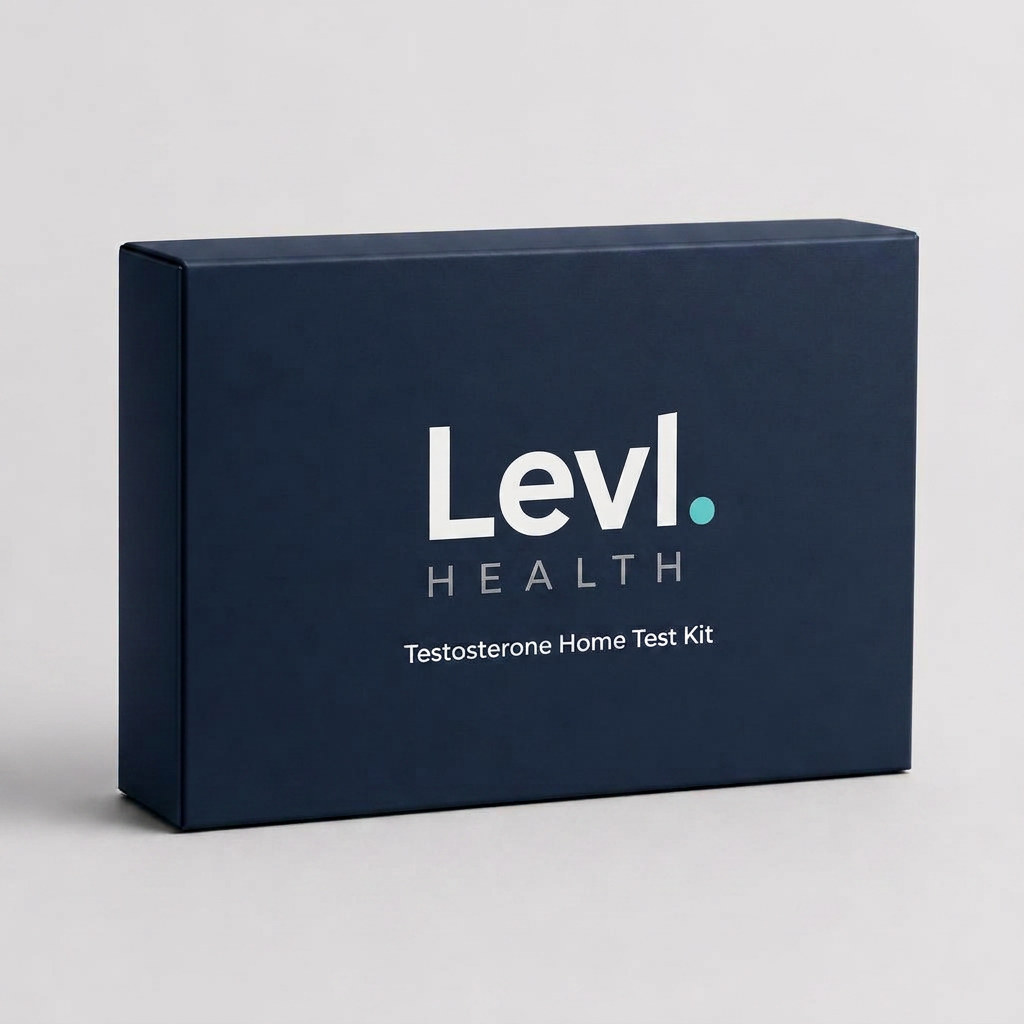
The most useful starting point is knowing your actual testosterone level. A simple home test measures your free and total testosterone from a small finger-prick blood sample — it takes five minutes and gives you a clear, plain-English picture of where you stand.
With that information, you can have a much more productive conversation with your GP if you choose to, or simply make more informed decisions about your lifestyle and nutritional support.
You don't need to feel dramatically unwell to benefit from knowing your baseline. Most men who test are simply men who want clarity.
At Levl Health, we offer a home testosterone test kit for £29.99, a zinc and vitamin D3 supplement formula from £24.99, and a combined bundle at £49.99. All delivered discreetly to your door, with plain-English results within 48 hours for the test.
If any of the above sounds like you — it's probably time to find out where you actually stand.